
本文目前仅提供英文版本,中文翻译即将上线。
Cargo theft in international freight tends to be discussed in vague, generalised terms that don't help importers make practical decisions. The reality is more specific and therefore more manageable: theft concentrates around predictable conditions — specific cargo types, specific points in the supply chain, and specific environments where cargo is stationary or changing hands. Understanding where the risk actually sits allows you to direct protective measures where they'll make a difference.
Where the Risk Concentrates
Port Terminals and Yards
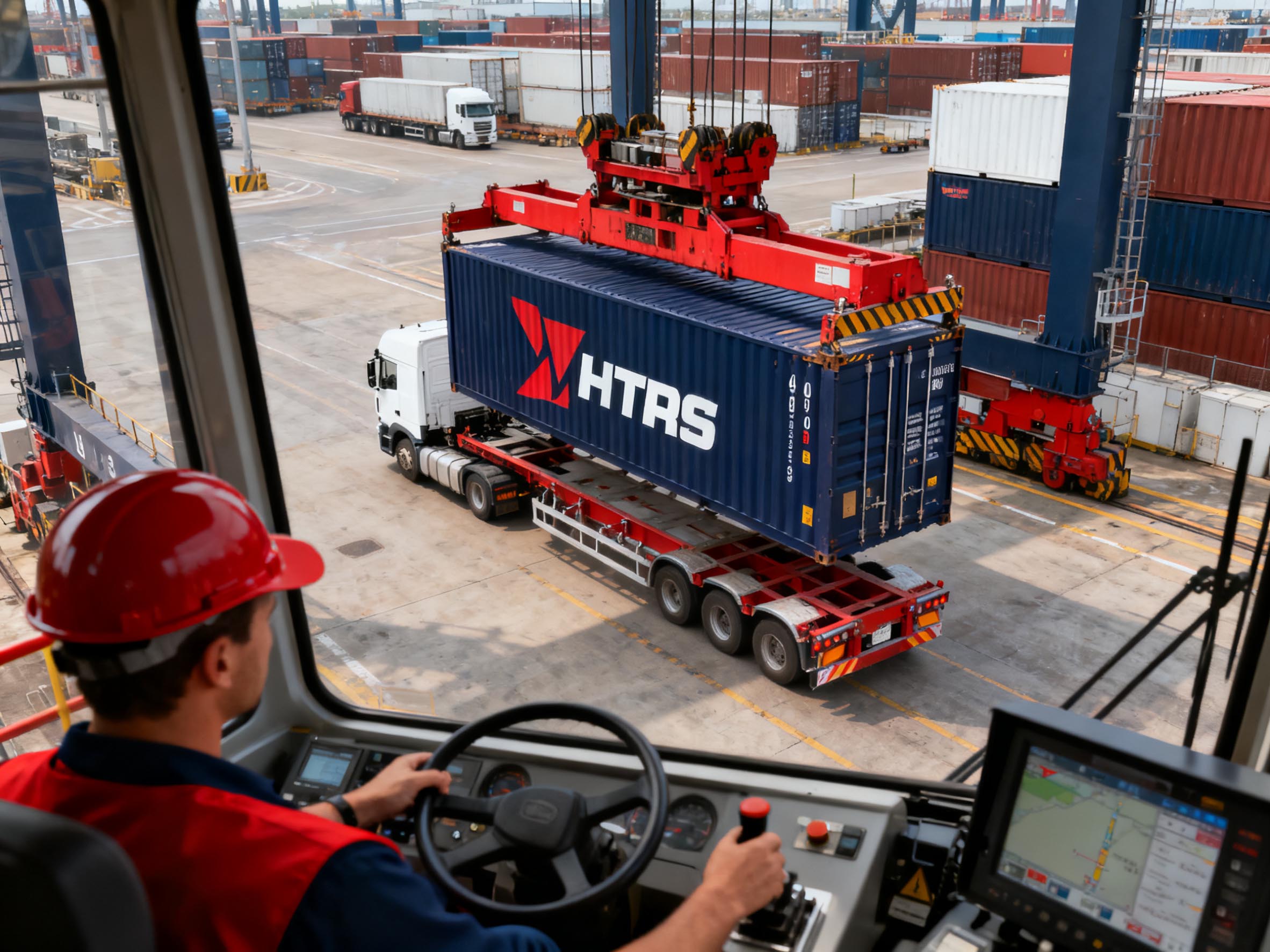
Cargo sitting in a terminal yard during the clearance and collection process is stationary, accessible, and surrounded by multiple parties with legitimate reasons to be nearby. Theft at port terminals — from pilferage of individual items to organised removal of entire cartons — is the most common form of cargo loss on the China-Africa corridor. Longer dwell times create longer exposure windows.
Last-Mile Inland Transport
The road leg from port to warehouse — particularly on congested routes where vehicles stop for extended periods — is a consistent theft exposure point. Vehicles carrying high-value goods, electronics, or consumer goods in visible, identifiable packaging are higher-risk targets than unmarked or bulk commodity loads.
High-Value Cargo Categories
Electronics, mobile phones, branded goods, pharmaceuticals, and fast-moving consumer goods attract disproportionate theft attention relative to their container volume. Commodities, construction materials, and industrial goods are significantly lower-risk categories. Knowing your cargo's risk profile affects both the protective measures worth deploying and the insurance coverage worth purchasing.
LCL Consolidations
Less-than-container-load cargo shares a container with other importers' goods and passes through a CFS at both origin and destination. Each handling point introduces additional access exposure. Pilferage of individual items from LCL cargo — particularly high-value consumer goods — is more common than FCL container theft.
Operational Measures That Reduce Exposure
-
Minimise dwell time at destination. The single most effective anti-theft measure for port terminal exposure is a fast clearance. Cargo that clears in 3 days has a fraction of the terminal theft exposure of cargo that sits for 12 days. Engage a reliable customs broker, submit pre-arrival documents promptly, and have your transporter ready the moment release is issued. See: Your Cargo Is Stuck at Customs. Here's Why.
-
Use high-security seals on FCL containers. Standard carrier seals are easily cut. A bolt seal or cable seal with a unique reference number, noted on the packing list and checked on arrival, makes unauthorised access detectable even if it doesn't always prevent it.
-
Mark cartons with non-descriptive external labelling for high-value cargo. Cartons clearly labelled "Samsung Mobile Phones — 48 units" in English are self-identifying targets. Cartons marked with batch codes and importer reference numbers that mean nothing to a casual observer are meaningfully less attractive.
-
Select transporters based on security track record, not just price. For high-value inland transport, the cost of GPS-tracked vehicles, paired drivers, and confirmed delivery protocols is modest relative to the cargo value. It's also often a factor in insurance premium calculation.
⚠️ Watch Out: Standard All Risk marine cargo policies cover theft of an entire package but frequently exclude pilferage — the removal of individual items from within an intact package. For high-value consumer goods shipped in LCL where pilferage is the realistic risk, confirm explicitly with your insurer whether your policy covers it. If not, the specific addition is usually available at a modest additional premium. Discovering the exclusion at claim time is considerably more expensive.
👉 Pro Tip: For your first shipment of a new high-value product category, or your first shipment to a new destination, ask CALL's Customer Service team for a frank assessment of the specific theft risk profile on that route and the protective measures other clients in that cargo category typically deploy. Local knowledge about specific port environments and inland routes is the most useful input for calibrating your security approach — more useful than generic industry statistics.
Shipping high-value goods on the China-Africa corridor?
Our Customer Service team can advise on the specific risk profile for your cargo type and destination before your next shipment.
Talk to Our Team →Last reviewed: June 2026 · Category: Risk & Insurance
Related articles: Standard Operating Procedures for Claims · Your Cargo Is Stuck at Customs · Smart Planning to Avoid Demurrage & Detention